BIKEND guide · 2026
Best mountain bikes 2026: XC, trail and enduro, by price segment
In mountain biking the dividing line is suspension travel. Cross-country means 100–120 mm, light frames and an aggressive position; trail — 130–150 mm — is where most riders actually land, relaxed but capable in both directions; enduro and downhill run 160–200 mm and prioritise the descent.
For 2026, adjustable geometry and in-frame storage are standard on performance bikes, 29in wheels remain the default and mullet builds are normal in enduro and DH. Reach-based sizing matters more than seat tube length, and size-specific chainstays and shock tunes are a mark of a well-engineered bike.
The rule worth repeating: geometry beats components. A bike with modern geometry and mid-range Shimano XT will make you faster and more confident than a dated frame hung with top-end parts.
The three strands of mountain biking
The division is clearer than in gravel because it is defined by suspension travel. Cross-country (XC): speed and efficiency, light frames, short 80–100 mm travel, aggressive position; designed to cover kilometres quickly, not for big jumps. Trail: the all-terrain do-it-all of mountain biking, 120–140 mm, relaxed but capable geometry, good balance up and down; this is where most recreational riders end up. Enduro: built for aggressive descents with 140–170 mm and slack geometry, still able to climb but with the descent as the priority. Downhill (DH): maximum travel of 170–200 mm, for mechanical uplift.
Strand comparison table
- A. XC / DOWN-COUNTRY
- 100–120 mm (DC: 120–130)
- B. TRAIL / ALL-MOUNTAIN
- 130–150 mm
- C. ENDURO / DH
- 160–180 mm (DH: 190–200)
- A. XC / DOWN-COUNTRY
- 100–115 mm
- B. TRAIL / ALL-MOUNTAIN
- 120–145 mm
- C. ENDURO / DH
- 150–170 mm (DH: 190–200)
- A. XC / DOWN-COUNTRY
- 66°–68.5°
- B. TRAIL / ALL-MOUNTAIN
- 64°–66°
- C. ENDURO / DH
- 62°–64.5°
- A. XC / DOWN-COUNTRY
- 75°–77°
- B. TRAIL / ALL-MOUNTAIN
- 76°–78°
- C. ENDURO / DH
- 77°–79°
- A. XC / DOWN-COUNTRY
- 29"
- B. TRAIL / ALL-MOUNTAIN
- 29" or mixed (mullet)
- C. ENDURO / DH
- Mullet or 29"
- A. XC / DOWN-COUNTRY
- 2.25"–2.4", light casing
- B. TRAIL / ALL-MOUNTAIN
- 2.4"–2.5", medium casing
- C. ENDURO / DH
- 2.4"–2.6", reinforced / DH casing
- A. XC / DOWN-COUNTRY
- 9.5–12 kg
- B. TRAIL / ALL-MOUNTAIN
- 13–15.5 kg
- C. ENDURO / DH
- 15–17 kg
- A. XC / DOWN-COUNTRY
- 2 pistons, 160–180 mm rotors
- B. TRAIL / ALL-MOUNTAIN
- 4 pistons, 180–200 mm
- C. ENDURO / DH
- 4 pistons, 200–220 mm
- A. XC / DOWN-COUNTRY
- 100–125 mm (now standard)
- B. TRAIL / ALL-MOUNTAIN
- 150–200 mm
- C. ENDURO / DH
- 170–240 mm
- A. XC / DOWN-COUNTRY
- XCO, marathon, long rides
- B. TRAIL / ALL-MOUNTAIN
- 80% of real-world use
- C. ENDURO / DH
- Bike park, enduro, technical terrain
- A. XC / DOWN-COUNTRY
- Capability in severe tech
- B. TRAIL / ALL-MOUNTAIN
- No standout strength
- C. ENDURO / DH
- Climbing efficiency
| A. XC / DOWN-COUNTRY | B. TRAIL / ALL-MOUNTAIN | C. ENDURO / DH | |
|---|---|---|---|
| Front travel | 100–120 mm (DC: 120–130) | 130–150 mm | 160–180 mm (DH: 190–200) |
| Rear travel | 100–115 mm | 120–145 mm | 150–170 mm (DH: 190–200) |
| Head angle | 66°–68.5° | 64°–66° | 62°–64.5° |
| Seat tube angle | 75°–77° | 76°–78° | 77°–79° |
| Wheels | 29" | 29" or mixed (mullet) | Mullet or 29" |
| Tyres | 2.25"–2.4", light casing | 2.4"–2.5", medium casing | 2.4"–2.6", reinforced / DH casing |
| Weight (size M) | 9.5–12 kg | 13–15.5 kg | 15–17 kg |
| Brakes | 2 pistons, 160–180 mm rotors | 4 pistons, 180–200 mm | 4 pistons, 200–220 mm |
| Dropper post | 100–125 mm (now standard) | 150–200 mm | 170–240 mm |
| Best for | XCO, marathon, long rides | 80% of real-world use | Bike park, enduro, technical terrain |
| What it sacrifices | Capability in severe tech | No standout strength | Climbing efficiency |
Verified 2026 trends:
- Adjustable geometry is now standard on performance bikes and integrated frame storage is common in trail and enduro. 29" wheels remain the default in most categories; mullet builds are now common in enduro and downhill, combining the rollover of 29" with the agility of 27.5". Reach-based sizing matters more than seat tube length, and size-specific chainstays and shock tunes are the mark of a quality bike.
- In XC, as courses become more technical, dropper posts, wider bars and more powerful brakes have become widespread. Designers use wider tyre clearances for bigger tyres, and head angles are slackening to improve stability at high speed.
- Yeti has eliminated the heavy rear-triangle pivots on the new ASR, relying on flex in the carbon chainstays to deliver 115 mm of travel: it removes mechanical weight and drastically increases frame stiffness under load.
CATEGORY A — XC / DOWN-COUNTRY
Cross-country and down-country have converged so much that it is worth explaining before you look at prices: a pure XC bike is still a racing tool, nervous and short-travel, while a down-country bike takes that chassis and adds fork, tyre and dropper so you can descend without flinching. If you are never going to pin on a number, the second option is usually the one you will enjoy more.
A1. Entry-level (< €2,000)
Here the hardtail rules: at this price, a good hardtail beats a bad full-suspension bike.
- RRP approx.
- €1,000–1,800
- Frame
- Aluminium or entry carbon
- Suspension
- 100 mm
- Drivetrain
- Deore 12s
- RRP approx.
- €1,200–1,900
- Frame
- Aluminium
- Suspension
- RockShox Judy/SID 100 mm
- Drivetrain
- Deore/SLX
- RRP approx.
- €1,700–2,000
- Frame
- Smartweld aluminium
- Suspension
- 100 mm
- Drivetrain
- SLX 12s
- RRP approx.
- €1,500–1,900
- Frame
- Aluminium
- Suspension
- 100 mm
- Drivetrain
- Deore
- RRP approx.
- €900–1,800
- Frame
- Aluminium
- Suspension
- 100 mm
- Drivetrain
- Deore
- RRP approx.
- €1,600–2,000
- Frame
- Aluminium
- Suspension
- SID SL
- Drivetrain
- SLX/GX
- RRP approx.
- €900–1,900
- Frame
- Aluminium
- Suspension
- 100 mm
- Drivetrain
- Deore/SLX
| Model | RRP approx. | Frame | Suspension | Drivetrain |
|---|---|---|---|---|
| Rockrider Race 900 / XC 500 | €1,000–1,800 | Aluminium or entry carbon | 100 mm | Deore 12s |
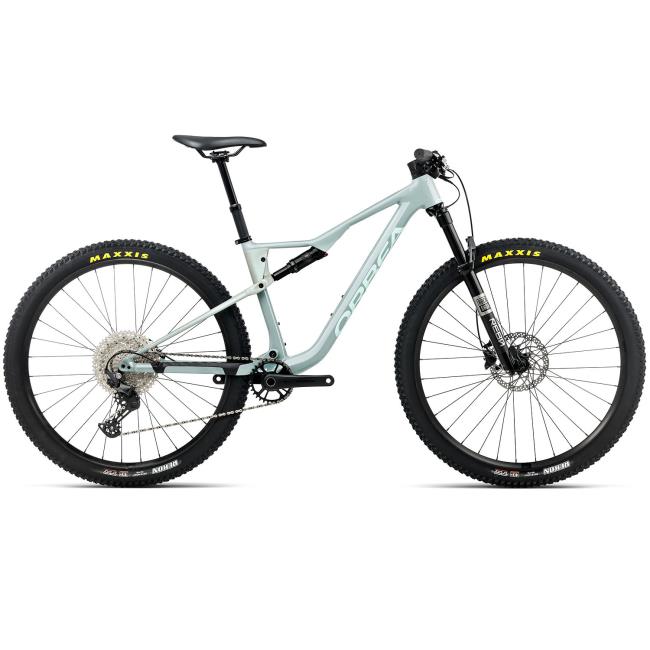
| Orbea Alma H | €1,200–1,900 | Aluminium | RockShox Judy/SID 100 mm | Deore/SLX |
| Specialized Chisel | €1,700–2,000 | Smartweld aluminium | 100 mm | SLX 12s |
| Trek Procaliber AL | €1,500–1,900 | Aluminium | 100 mm | Deore |
| Merida Big.Nine | €900–1,800 | Aluminium | 100 mm | Deore |
| Canyon Exceed AL | €1,600–2,000 | Aluminium | SID SL | SLX/GX |
| Cube Reaction | €900–1,900 | Aluminium | 100 mm | Deore/SLX |
Segment rule: below €2,000, full suspension = bad suspension. Better a carbon or good aluminium hardtail with a decent fork.
A2. Mid-range (€2,000–5,000)
Cannondale Scalpel HT Carbon 4
- RRP approx.
- €3,000–3,800
- Travel
- 100 mm front
- Frame
- Carbon
- Standout trait
- Slack angle for technical XC
- RRP approx.
- €4,000–5,000
- Travel
- 120/120 mm
- Frame
- OMX/OMR carbon
- Standout trait
- Squidlock, very light
- RRP approx.
- €4,500–5,000
- Travel
- 120/110 mm
- Frame
- FACT 11m
- Standout trait
- Brain or standard Fox
- RRP approx.
- €3,500–4,800
- Travel
- 120/120 mm
- Frame
- Aluminium/carbon
- Standout trait
- Integrated shock
- RRP approx.
- €4,000–4,800
- Travel
- 120/115 mm
- Frame
- OCLV
- Standout trait
- Mino Link 4 positions
- RRP approx.
- €3,500–4,500
- Travel
- 110/100 mm
- Frame
- Carbon
- Standout trait
- TwistLoc 3 positions
- RRP approx.
- €4,000–5,000
- Travel
- 100/100 mm
- Frame
- Carbon
- Standout trait
- Zero Suspension
- RRP approx.
- €4,500–5,000
- Travel
- 120/100 mm
- Frame
- Carbon
- Standout trait
- Rear FlexPivot
| Model | RRP approx. | Travel | Frame | Standout trait |
|---|---|---|---|---|
| Cannondale Scalpel HT Carbon 4 | €3,000–3,800 | 100 mm front | Carbon | Slack angle for technical XC |
| Orbea Oiz M-Team / M30 | €4,000–5,000 | 120/120 mm | OMX/OMR carbon | Squidlock, very light |
| Specialized Epic 8 Comp | €4,500–5,000 | 120/110 mm | FACT 11m | Brain or standard Fox |
| Scott Spark 940/930 | €3,500–4,800 | 120/120 mm | Aluminium/carbon | Integrated shock |
| Trek Top Fuel 9.7 | €4,000–4,800 | 120/115 mm | OCLV | Mino Link 4 positions |
| Giant Anthem Advanced 2 | €3,500–4,500 | 110/100 mm | Carbon | TwistLoc 3 positions |
| Mondraker F-Podium R | €4,000–5,000 | 100/100 mm | Carbon | Zero Suspension |
| Cannondale Scalpel Carbon 3 | €4,500–5,000 | 120/100 mm | Carbon | Rear FlexPivot |
On the Scalpel HT Carbon 4: it is the most affordable in the Scalpel range, aimed at the rougher end of cross-country; Cannondale has evolved typical XC geometry with slacker head angles, giving the Scalpel HT handling character closer to an enduro bike.
A3. High-end (> €5,000)
- RRP approx.
- €7,000–12,000
- Travel
- 120/115 mm
- Frame
- TURQ carbon, flex stays
- Standout trait
- Two large bottles inside the triangle, even in small sizes
- RRP approx.
- €6,400–14,000
- Travel
- 120/110–120 mm adjustable
- Frame
- Carbon, dw-link
- Standout trait
- Toolshed in down tube, configurable rear travel
- RRP approx.
- €6,000–12,000
- Travel
- 120/115 mm
- Frame
- OCLV Mountain
- Standout trait
- 220 g lighter than previous; 4-position Mino Link changes geometry and leverage curve
- RRP approx.
- €7,000–9,500
- Travel
- 110/100 mm
- Frame
- Advanced SL carbon
- Standout trait
- 3-position TwistLoc or Flight Attendant at the top
- RRP approx.
- €12,000–14,000
- Travel
- 120/110 mm
- Frame
- FACT 12m
- Standout trait
- World Cup reference
- RRP approx.
- €12,000
- Travel
- 120/100 mm
- Frame
- Series 0
- Standout trait
- FlexPivot
- RRP approx.
- €8,000–13,000
- Travel
- 120/120 mm
- Frame
- HMX SL
- Standout trait
- Hidden shock, TwinLoc
- RRP approx.
- €9,000–11,000
- Travel
- 120/120 mm
- Frame
- OMX
- Standout trait
- One of the lightest on the market
- RRP approx.
- €8,999
- Travel
- 100 mm
- Frame
- 29" carbon
- Standout trait
- On BIKEND
- RRP approx.
- €8,000–12,000
- Travel
- 120/100 mm
- Frame
- Carbon
- Standout trait
- Integrated RAD dropper post
| Model | RRP approx. | Travel | Frame | Standout trait |
|---|---|---|---|---|
| Yeti ASR | €7,000–12,000 | 120/115 mm | TURQ carbon, flex stays | Two large bottles inside the triangle, even in small sizes |
| Pivot Mach 4 SL | €6,400–14,000 | 120/110–120 mm adjustable | Carbon, dw-link | Toolshed in down tube, configurable rear travel |
| Trek Top Fuel gen 4 | €6,000–12,000 | 120/115 mm | OCLV Mountain | 220 g lighter than previous; 4-position Mino Link changes geometry and leverage curve |
| Giant Anthem Advanced SL 1 | €7,000–9,500 | 110/100 mm | Advanced SL carbon | 3-position TwistLoc or Flight Attendant at the top |
| Specialized S-Works Epic 8 | €12,000–14,000 | 120/110 mm | FACT 12m | World Cup reference |
| Cannondale Scalpel LAB71 | €12,000 | 120/100 mm | Series 0 | FlexPivot |
| Scott Spark RC World Cup | €8,000–13,000 | 120/120 mm | HMX SL | Hidden shock, TwinLoc |
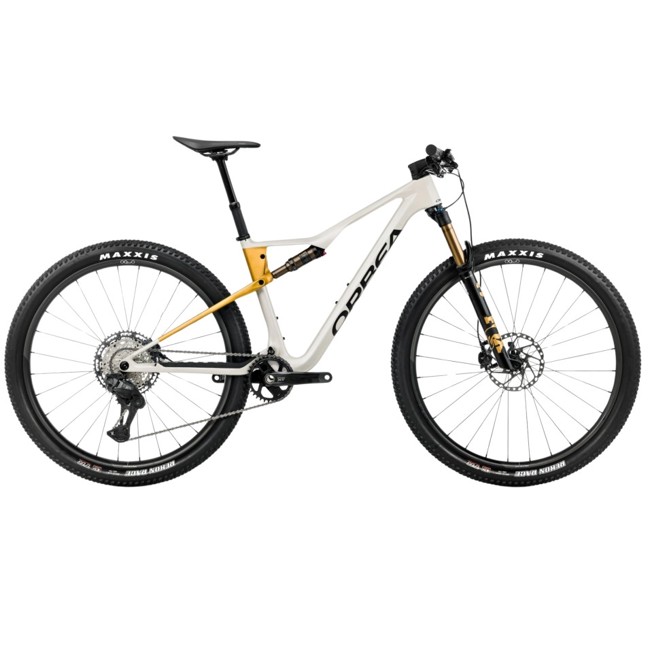
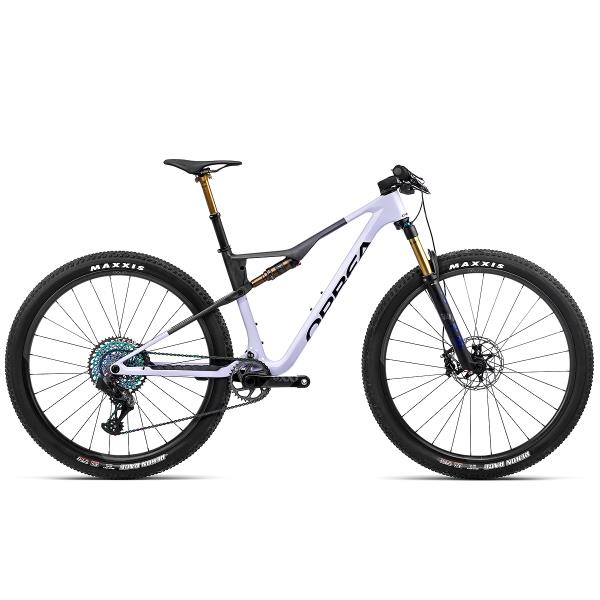
| Orbea Oiz M-LTD | €9,000–11,000 | 120/120 mm | OMX | One of the lightest on the market |
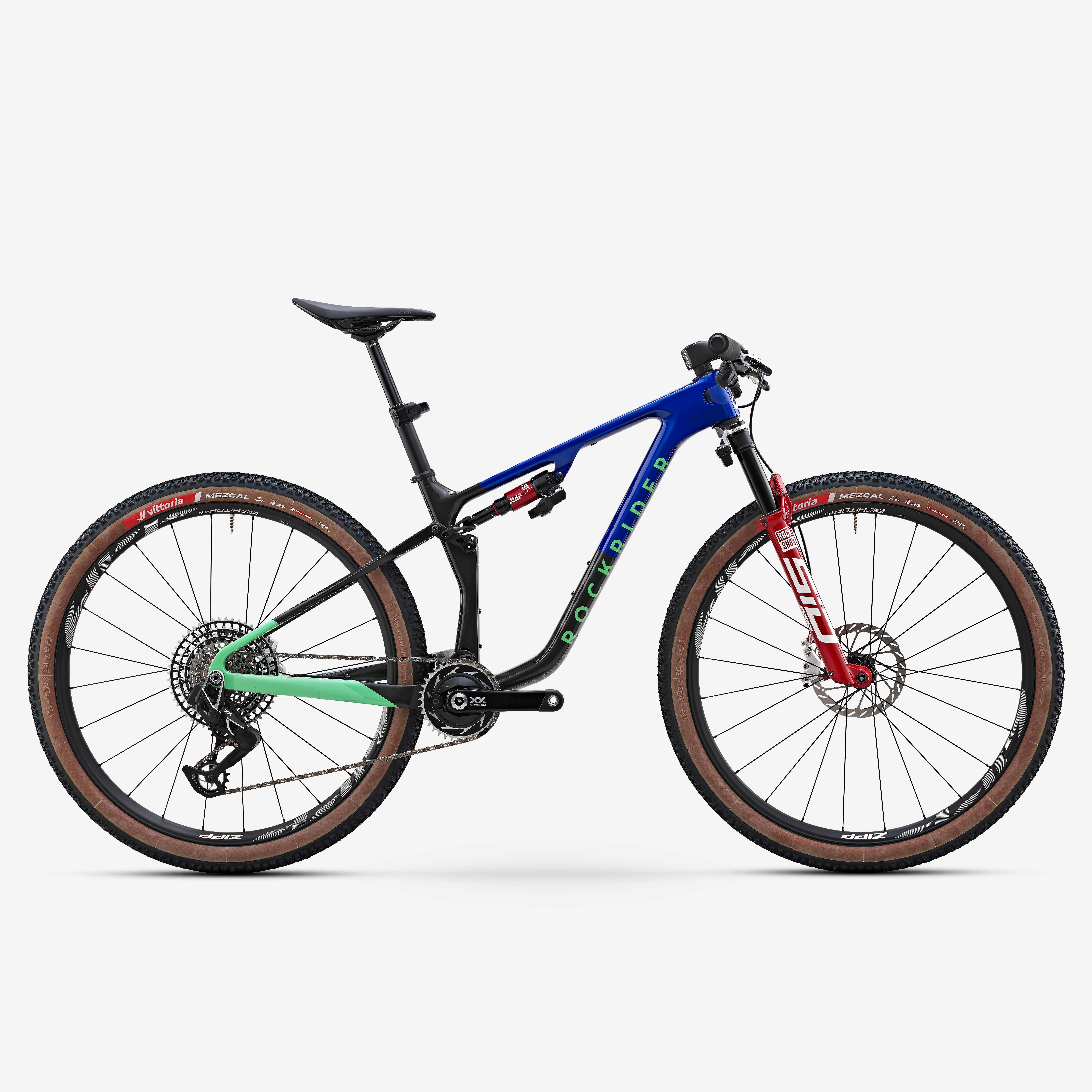
| Rockrider XC Race 940 | €8,999 | 100 mm | 29" carbon | On BIKEND |
| BMC Fourstroke 01 | €8,000–12,000 | 120/100 mm | Carbon | Integrated RAD dropper post |
On the Mach 4 SL: it combines race-bike efficiency with enough trail manners for modern, tougher XC courses. The carbon frame uses dw-link suspension with 110–120 mm adjustable rear travel, letting you prioritise acceleration or control. Toolshed storage in the down tube, clean cable ports and 29" wheels.
On the Yeti ASR: built to take Yeti back to its XC racing roots, it emphasises low weight and maximum efficiency, but descends with almost trail-bike capability. The one-piece carbon frame uses flexible chainstays instead of traditional pivots to save grams and increase stiffness under power. With 115 mm rear and 120 mm fork, it fits two full-size bottles inside the front triangle, even in small sizes.
CATEGORY B — TRAIL / ALL-MOUNTAIN
Trail is the default category of modern mountain biking and also the hardest to shop for, because every brand sells something here and every brand calls it versatile. What really separates one trail bike from another is travel, kinematics and geometry: a well-conceived 130 mm bike climbs better than a 150 mm one, and the 150 mm bike forgives mistakes the other will not. Choose for the terrain you repeat most, not the terrain that makes the better story.
The best-selling strand and the right answer for 80% of buyers.
A trail bike is designed to be versatile: it may not stand out in specific areas such as climbing or descending, but it is more than capable in both, without being as easy uphill as an XC bike or as capable as an enduro bike. Because they target very different budgets, you see carbon, aluminium and steel frames, and even titanium in rare cases, with weights fluctuating widely from 11 kg on the lightest to 16 or 17 kg in some builds.
B1. Entry-level (< €2,000)
- RRP approx.
- €1,800–2,000
- Travel
- 140/135 mm
- Frame
- Aluminium
- Notes
- Huge mechanical value
- RRP approx.
- €1,400–1,900
- Travel
- 140/140 mm
- Frame
- Aluminium
- Notes
- Direct sales
- RRP approx.
- €1,400–1,800
- Travel
- 140/140 mm
- Frame
- Aluminium
- Notes
- Classic value pick
- RRP approx.
- €1,700–2,000
- Travel
- 130/125 mm
- Frame
- Aluminium
- Notes
- Modern geometry
- RRP approx.
- €1,800–2,200
- Travel
- 140/130 mm
- Frame
- ALUXX
- Notes
- Dealer network
- RRP approx.
- €1,900–2,400
- Travel
- 130/130 mm
- Frame
- Aluminium
- Notes
- Direct sales
Trek Marlin / Roscoe (hardtail)
- RRP approx.
- €800–1,500
- Travel
- 120–140 mm
- Frame
- Aluminium
- Notes
- Capable hardtail
| Model | RRP approx. | Travel | Frame | Notes |
|---|---|---|---|---|
| Polygon Siskiu T8 | €1,800–2,000 | 140/135 mm | Aluminium | Huge mechanical value |
| Vitus Mythique | €1,400–1,900 | 140/140 mm | Aluminium | Direct sales |
| Calibre Bossnut | €1,400–1,800 | 140/140 mm | Aluminium | Classic value pick |
| Marin Rift Zone 1/2 | €1,700–2,000 | 130/125 mm | Aluminium | Modern geometry |
| Giant Stance / Trance X AL | €1,800–2,200 | 140/130 mm | ALUXX | Dealer network |
| Canyon Neuron AL | €1,900–2,400 | 130/130 mm | Aluminium | Direct sales |
| Trek Marlin / Roscoe (hardtail) | €800–1,500 | 120–140 mm | Aluminium | Capable hardtail |
The Polygon Siskiu T8 offers huge mechanical value: it uses a proven single-pivot rocker that keeps manufacturing costs down without sacrificing performance, and gives you aggressive enduro geometry at a fraction of the cost of a carbon superbike.
B2. Mid-range (€2,000–5,000)
- RRP approx.
- €3,750
- Travel
- 130/120 mm
- Frame
- Carbon, dw-link
- Standout trait
- Pivot efficiency at an accessible price
- RRP approx.
- €3,000–4,000
- Travel
- 150/145 mm
- Frame
- Aluminium/carbon
- Standout trait
- Enduro capability at trail price
- RRP approx.
- €3,500–4,500
- Travel
- 150/150 mm
- Frame
- CF carbon
- Standout trait
- Direct sales, great spec
Specialized Stumpjumper 15 Comp
- RRP approx.
- €4,500–5,000
- Travel
- 150/145 mm
- Frame
- FACT 11m
- Standout trait
- Genie shock
- RRP approx.
- €3,800–4,800
- Travel
- 150/145 mm
- Frame
- Aluminium/OCLV
- Standout trait
- Mino Link + 29 or 27.5 rear wheel
- RRP approx.
- €4,500–5,000
- Travel
- 140/130 mm
- Frame
- Carbon C
- Standout trait
- VPP
- RRP approx.
- €3,500–4,800
- Travel
- 150/135 mm
- Frame
- Carbon
- Standout trait
- Maestro, flip chip
- RRP approx.
- €3,500–5,000
- Travel
- 160/150 mm
- Frame
- Carbon/aluminium
- Standout trait
- MyO customisation
- RRP approx.
- €2,500–4,500
- Travel
- 140/130 mm
- Frame
- Aluminium/carbon
- Standout trait
- Proportional Response
| Model | RRP approx. | Travel | Frame | Standout trait |
|---|---|---|---|---|
| Pivot Trail 429 | €3,750 | 130/120 mm | Carbon, dw-link | Pivot efficiency at an accessible price |
| YT Jeffsy Core 2 | €3,000–4,000 | 150/145 mm | Aluminium/carbon | Enduro capability at trail price |
| Canyon Spectral CF 7 | €3,500–4,500 | 150/150 mm | CF carbon | Direct sales, great spec |
| Specialized Stumpjumper 15 Comp | €4,500–5,000 | 150/145 mm | FACT 11m | Genie shock |
| Trek Fuel EX 8 | €3,800–4,800 | 150/145 mm | Aluminium/OCLV | Mino Link + 29 or 27.5 rear wheel |
| Santa Cruz Tallboy R | €4,500–5,000 | 140/130 mm | Carbon C | VPP |
| Giant Trance X Advanced | €3,500–4,800 | 150/135 mm | Carbon | Maestro, flip chip |
| Orbea Occam LT | €3,500–5,000 | 160/150 mm | Carbon/aluminium | MyO customisation |
| Cannondale Habit | €2,500–4,500 | 140/130 mm | Aluminium/carbon | Proportional Response |
On the YT Jeffsy: the entry-level model offers the typical price-to-performance ratio of the German direct-sales brand; the bike delivers impressive capability, tackling enduro trails with ease while remaining playful on mellower terrain.
B3. High-end (> €5,000)
- RRP approx.
- €6,500–11,000
- Travel
- 140/130 mm
- Frame
- Carbon CC
- Standout trait
- Best overall trail bike (Flow, August 2026)
- RRP approx.
- €7,000–8,500
- Travel
- 140/130 mm
- Frame
- Carbon
- Standout trait
- CBF suspension; 2026 field test winner
- RRP approx.
- €6,500–8,000
- Travel
- 160/147 mm
- Frame
- Carbon
- Standout trait
- Versatile and capable, available across most prices
Specialized Stumpjumper 15 Pro/S-Works
- RRP approx.
- €7,000–13,000
- Travel
- 150/145 mm
- Frame
- FACT 11m/12m
- Standout trait
- New-generation Genie shock
- RRP approx.
- €8,299
- Travel
- 160/150 mm
- Frame
- Carbon CC
- Standout trait
- VPP, mullet, lifetime bearings
- RRP approx.
- €7,500–11,000
- Travel
- 150/145 mm
- Frame
- OCLV
- Standout trait
- Two leverage positions, +10 mm adjustable travel
- RRP approx.
- €7,500–11,000
- Travel
- 130/120 mm
- Frame
- Carbon
- Standout trait
- The efficient extreme of trail
- RRP approx.
- €7,500–12,000
- Travel
- 160/140 mm
- Frame
- TURQ
- Standout trait
- Switch Infinity
- RRP approx.
- €6,000–9,000
- Travel
- 150/130 mm
- Frame
- Carbon
- Standout trait
- High pivot
- RRP approx.
- €6,000–8,000
- Travel
- 150/150 mm
- Frame
- CFR
- Standout trait
- Best value in the high end
| Model | RRP approx. | Travel | Frame | Standout trait |
|---|---|---|---|---|
| Santa Cruz Tallboy 6 | €6,500–11,000 | 140/130 mm | Carbon CC | Best overall trail bike (Flow, August 2026) |
| Revel Rascal X0 Transmission | €7,000–8,500 | 140/130 mm | Carbon | CBF suspension; 2026 field test winner |
| Ibis Ripmo V3 GX AXS | €6,500–8,000 | 160/147 mm | Carbon | Versatile and capable, available across most prices |
| Specialized Stumpjumper 15 Pro/S-Works | €7,000–13,000 | 150/145 mm | FACT 11m/12m | New-generation Genie shock |
| Santa Cruz Bronson CC | €8,299 | 160/150 mm | Carbon CC | VPP, mullet, lifetime bearings |
| Trek Fuel EX 9.9 | €7,500–11,000 | 150/145 mm | OCLV | Two leverage positions, +10 mm adjustable travel |
| Pivot Trailcat SL | €7,500–11,000 | 130/120 mm | Carbon | The efficient extreme of trail |
| Yeti SB140 | €7,500–12,000 | 160/140 mm | TURQ | Switch Infinity |
| Forbidden Druid V2 | €6,000–9,000 | 150/130 mm | Carbon | High pivot |
| Canyon Spectral CFR | €6,000–8,000 | 150/150 mm | CFR | Best value in the high end |
Flow's guide covers trail bikes with 120–150 mm rear travel: at one end is the efficient 120 mm Pivot Trailcat SL; at the other, more brutish options like the Specialized Stumpjumper 15 or the Canyon Spectral.
On the Trek Fuel EX: if one bike sits perfectly in the centre of the trail spectrum, it is this. With 145 mm rear and 150 mm fork it sits right between an agile XC bike and an enduro beast. It can run a fast 29" or a more playful 27.5" rear wheel, two shock-curve positions let you choose how sensitive the suspension feels, and travel can be increased by about 10 mm at both ends.
CATEGORY C — ENDURO / DH
Enduro and DH are the strands where you have to be honest with yourself. These bikes are fast downhill and slow at everything else: they are heavy, they demand maintenance, and they only come alive on terrain most riders touch a dozen times a year. If that terrain is your daily ride, there is no substitute. If it is not, a well-chosen trail bike is more bike.
C1. Entry-level (< €2,500)
- RRP approx.
- €2,000–2,800
- Travel
- 160/150 mm
- Frame
- Aluminium
- Notes
- Direct sales, robust
- RRP approx.
- €2,200–2,800
- Travel
- 170/160 mm
- Frame
- Aluminium
- Notes
- Accessible enduro classic
- RRP approx.
- €2,000–2,600
- Travel
- 170/160 mm
- Frame
- Aluminium
- Notes
- Great value
- RRP approx.
- €2,500–3,000
- Travel
- 170/165 mm
- Frame
- Aluminium
- Notes
- Direct sales
- RRP approx.
- €2,000–2,500
- Travel
- 170/160 mm
- Frame
- Aluminium
- Notes
- Aggressive pricing
| Model | RRP approx. | Travel | Frame | Notes |
|---|---|---|---|---|
| Commencal Meta SX / TR | €2,000–2,800 | 160/150 mm | Aluminium | Direct sales, robust |
| Nukeproof Mega 290 Comp | €2,200–2,800 | 170/160 mm | Aluminium | Accessible enduro classic |
| Vitus Sommet | €2,000–2,600 | 170/160 mm | Aluminium | Great value |
| YT Capra Core 1 | €2,500–3,000 | 170/165 mm | Aluminium | Direct sales |
| Polygon Collosus | €2,000–2,500 | 170/160 mm | Aluminium | Aggressive pricing |
Product-page note: in enduro, below €2,500 the limiting factor is not the frame but the brakes and tyres. Budget for an immediate upgrade.
C2. Mid-range (€2,500–5,500)
- RRP approx.
- €4,500–5,500
- Travel
- 170/160 mm
- Frame
- Aluminium
- Standout trait
- High-pivot suspension
- RRP approx.
- €5,500
- Travel
- 160/150 mm
- Frame
- Aluminium
- Standout trait
- Adjustable air suspension, mullet option, ~16.5 kg
- RRP approx.
- €3,500–5,500
- Travel
- 175/170 mm
- Frame
- Aluminium/carbon
- Standout trait
- Shapeshifter on Strive
- RRP approx.
- €3,500–5,500
- Travel
- 170–180 mm
- Frame
- Aluminium
- Standout trait
- Build configurator
- RRP approx.
- €4,500–6,500
- Travel
- 170/160 mm
- Frame
- Carbon/aluminium
- Standout trait
- Dedicated extra weight mount
- RRP approx.
- €4,000–5,000
- Travel
- 170/160 mm
- Frame
- Aluminium
- Standout trait
- Mullet
- RRP approx.
- €4,500–5,500
- Travel
- 170/160 mm
- Frame
- OCLV Mountain
- Standout trait
- Fox 36 Performance Elite + GX Eagle
| Model | RRP approx. | Travel | Frame | Standout trait |
|---|---|---|---|---|
| Trek Slash 8 Gen 6 | €4,500–5,500 | 170/160 mm | Aluminium | High-pivot suspension |
| Specialized Status 2026 | €5,500 | 160/150 mm | Aluminium | Adjustable air suspension, mullet option, ~16.5 kg |
| Canyon Torque / Strive CF | €3,500–5,500 | 175/170 mm | Aluminium/carbon | Shapeshifter on Strive |
| Propain Tyee / Spindrift Al | €3,500–5,500 | 170–180 mm | Aluminium | Build configurator |
| Orbea Rallon | €4,500–6,500 | 170/160 mm | Carbon/aluminium | Dedicated extra weight mount |
| Commencal Meta SX Signature | €4,000–5,000 | 170/160 mm | Aluminium | Mullet |
| Trek Remedy 9.4 | €4,500–5,500 | 170/160 mm | OCLV Mountain | Fox 36 Performance Elite + GX Eagle |
A suspension-tuning note worth recording: the ideal setup combines maximum traction and sensitivity with enough support to pop off ledges without effort, plus reserves to absorb sketchy landings with confidence. Bikes like the Pivot Firebird and the LAST COAL V4 prove it: they flatten sharp hits with ease, generate huge traction and let you focus on your line.
C3. High-end (> €5,500)
- RRP approx.
- $8,200
- Travel
- 160/160 mm
- Frame
- Carbon, 64°
- Standout trait
- Switchable shock curves, Fox Live Valve, 16.2 kg
- RRP approx.
- $8,000
- Travel
- 170/165 mm
- Frame
- Carbon, dw-link
- Standout trait
- Best climber in the segment
- RRP approx.
- $7,000
- Travel
- 170/170 mm
- Frame
- Carbon CC
- Standout trait
- VPP, lifetime bearings
- RRP approx.
- €7,000–10,500
- Travel
- 170/160 mm
- Frame
- OCLV
- Standout trait
- High pivot + Mino Link
- RRP approx.
- €7,000–9,000
- Travel
- 170/165 mm
- Frame
- Carbon, German-made
- Standout trait
- Reference suspension in ENDURO test
- RRP approx.
- €4,500–6,500
- Travel
- 180/180 mm
- Frame
- Aluminium
- Standout trait
- Freeride/bike park, climbs better than expected
- RRP approx.
- €7,500–12,000
- Travel
- 170/170 mm
- Frame
- FACT
- Standout trait
- Historical reference
- RRP approx.
- €7,500–9,500
- Travel
- 170/160 mm
- Frame
- OMX
- Standout trait
- MyO customisation
- RRP approx.
- €4,500–7,500
- Travel
- 200/200 mm
- Frame
- Aluminium
- Standout trait
- Pure downhill
| Model | RRP approx. | Travel | Frame | Standout trait |
|---|---|---|---|---|
| Yeti SB160 | $8,200 | 160/160 mm | Carbon, 64° | Switchable shock curves, Fox Live Valve, 16.2 kg |
| Pivot Firebird | $8,000 | 170/165 mm | Carbon, dw-link | Best climber in the segment |
| Santa Cruz Nomad | $7,000 | 170/170 mm | Carbon CC | VPP, lifetime bearings |
| Trek Slash Gen 6 (carbon) | €7,000–10,500 | 170/160 mm | OCLV | High pivot + Mino Link |
| LAST Coal V4 | €7,000–9,000 | 170/165 mm | Carbon, German-made | Reference suspension in ENDURO test |
| Propain Spindrift Al MX | €4,500–6,500 | 180/180 mm | Aluminium | Freeride/bike park, climbs better than expected |
| Specialized Enduro / Kenevo | €7,500–12,000 | 170/170 mm | FACT | Historical reference |
| Orbea Rallon M-LTD | €7,500–9,500 | 170/160 mm | OMX | MyO customisation |
| Commencal Supreme DH | €4,500–7,500 | 200/200 mm | Aluminium | Pure downhill |
On the Propain Spindrift Al MX: it is a long-travel bike focused on freeride, aimed at bike parks and hard descents. Climbing, it defies the stereotypes of long-travel bikes: it proved to be an efficient climber despite its 180 mm front and rear. Pointed downhill, it happily charges through the roughest sections. Its weak point: the shock struggles with high-frequency compressions.
Appendix
Technical data and reference tables
Geometry, price brackets and typical builds — here for when you already know which direction you are heading in.
Price segments
- Range
- < €2,000
- Frame
- Aluminium
- Suspension
- RockShox Judy/Recon, SR Suntour
- Drivetrain
- Deore 12s, SRAM SX/NX
- Range
- €2,000–5,000
- Frame
- Top aluminium or entry carbon
- Suspension
- Fox 34/36 Rhythm, RockShox Pike/Lyrik Select
- Drivetrain
- SLX/XT, GX Eagle Transmission
- Range
- > €5,000
- Frame
- High-modulus carbon
- Suspension
- Fox Factory, RockShox Ultimate, Flight Attendant
- Drivetrain
- XT/XTR Di2, X0/XX AXS
| Segment | Range | Frame | Suspension | Drivetrain |
|---|---|---|---|---|
| Entry-level | < €2,000 | Aluminium | RockShox Judy/Recon, SR Suntour | Deore 12s, SRAM SX/NX |
| Mid-range | €2,000–5,000 | Top aluminium or entry carbon | Fox 34/36 Rhythm, RockShox Pike/Lyrik Select | SLX/XT, GX Eagle Transmission |
| High-end | > €5,000 | High-modulus carbon | Fox Factory, RockShox Ultimate, Flight Attendant | XT/XTR Di2, X0/XX AXS |
The Shimano hierarchy, from lowest to highest quality, is: Tourney/Altus – Acera – Alivio – Deore – SLX – XT – XTR. For a real mountain bike, Deore is the entry point of a reliable drivetrain.
A rule worth repeating on every product page: geometry beats components. A bike with modern, aggressive geometry and mid-range Shimano XT will make you better and more confident than one with outdated geometry and top-end SRAM XX AXS.
3×3 summary matrix
- Entry-level
- Carbon/aluminium hardtail 100 mm (Orbea Alma, Specialized Chisel)
- Mid-range
- Orbea Oiz M30 / Scott Spark 940
- High-end
- Yeti ASR / Pivot Mach 4 SL / Trek Top Fuel gen 4
- Entry-level
- Polygon Siskiu T8
- Mid-range
- Pivot Trail 429 (€3,750)
- High-end
- Santa Cruz Tallboy 6 / Revel Rascal X0
- Entry-level
- Nukeproof Mega 290 Comp
- Mid-range
- Trek Slash 8 Gen 6
- High-end
- Yeti SB160 / Pivot Firebird
| Entry-level | Mid-range | High-end | |
|---|---|---|---|
| A. XC | Carbon/aluminium hardtail 100 mm (Orbea Alma, Specialized Chisel) | Orbea Oiz M30 / Scott Spark 940 | Yeti ASR / Pivot Mach 4 SL / Trek Top Fuel gen 4 |
| B. Trail | Polygon Siskiu T8 | Pivot Trail 429 (€3,750) | Santa Cruz Tallboy 6 / Revel Rascal X0 |
| C. Enduro | Nukeproof Mega 290 Comp | Trek Slash 8 Gen 6 | Yeti SB160 / Pivot Firebird |
In the comparison engine · by segment
Bikes available right now


More 2026 guides
Best road bikes 2026: aero, lightweight and endurance, by price segment
Best gravel bikes 2026: race, all-road and adventure, by price segment
Versión en español: Mejores bicis de montaña 2026: XC, trail y enduro por segmento de precio