220 Triathlon · 21 de mayo de 2026 · por Jack Sexty
What are the best bikes for triathlon? We test the top 7 for training and racing in 2026
Our expert bike testers at 220 have reviewed some of the top triathlon bikes available over the years. Here are 7 aero numbers that really impressed...

Triathlon bikes create a unique advantage in multisport racing that’s hard to match with any other type of bike. Built with speed front and centre, the right triathlon bike will allow you to go faster than the opposition over 90-180km compared to a road bike.
But what two-wheeled stallion should you be handing over cash for? And how did triathlon bikes even become a thing? Our experts take a look at the best triathlon bikes available in 2026 and why they could be worth your while…
Why you can trust 220 Triathlon
Our team of experts rigorously tests each product and provides honest, unbiased reviews to help you make informed decisions. For more details, see how we rate and test products.
Best triathlon bikes at a glance
If your pockets are deep enough, the Trek Concept SLR 9 (buy) is a thrillingly quick tri bike with a top notch spec and great handling.
The Giant Trinity Advanced Pro 2 (buy) offers great aerodynamics and a super slimline hydration system, all at an affordable price compared to its competitors.
The Factor Slick (buy) is a superbly smooth and comfortable bike with a good range of adjustability.
The Cube Aerium C:68X SLT (buy) is a good value, light and aero bike with a range of hydration and fuel storage that’s both a high and low-light.
The Orro Venturi Tri (buy) is a good climber and descender, with well-thought-out features and a decent price tag to boot.
The best triathlon bikes for 2026
Best overall triathlon bike

1. Trek Speed Concept SLR 9
220 Triathlon verdict
A truly top-of-the-range, cutting-edge triathlon superbike.
Pros
- Great handling
- Very fast
Cons
- High price tag
- Flat kit storage isn’t the best we’ve seen
| Specifications | Trek Speed Concept SLR 9 |
|---|---|
| Components | SRAM Red AXS, Bontrager Aeolus RSL wheels |
| Weight | 19.96lb / 8.6kg (size medium) |
| Sizing | S, M, L, XL (5'1" / 154cm to 6'6" / 198cm) |
Trek’s latest Speed Concept is one of the most impressive all-round tri packages we’ve seen. The brand claims its IsoSpeed system adds a huge 30% more compliance and on the road we can definitely vouch for the excellent comfort offered over many miles, leaving you fresher for the run.
The storage and hydration is all included, and it’s completely ready to race with deep Bontrager aero wheels and a highly adjustable integrated cockpit. If money is no object and you need to have one of the best triathlon bikes out there, the Speed Concept in this hero guise should certainly be on your wishlist.
Pop over to detailed Trek Speed Concept SLR 9 review for my full verdict.
Best for adjustability

2. Factor Slick
220 Triathlon Verdict
Frighteningly smooth, fast and comfortable triathlon bike at a premium price.
Pros
- Appreciatively fast
- Comfortable and adjustable
- Superb handling
- Very light
Cons
- Nutrition system could be refined
| Specifications | Factor Slick |
|---|---|
| Components | Toray Nippon graphite pitch-based carbon frame, slick wide stance carbon fork, SRAM Red AXS E1 12-speed gears, SRAM Red AXS hydraulic brakes |
| Weight | 8.8kg (58cm) |
| Sizing | 48cm-58cm |
Factor’s association with Beth Potter has already proven its performance pedigree, and the Slick marks the brand’s first true swing at a dedicated triathlon bike. It looks every inch the premium thoroughbred and, thankfully, rides like one too. Light for a fully loaded tri bike, the Slick accelerates eagerly and holds speed with ease, thanks to a stiff, beautifully finished carbon frame.
Stability is excellent even in crosswinds, while the revised geometry and huge saddle and cockpit adjustability make it easy to dial in a fast yet run-friendly position. The Vision Metron cockpit and SRAM Red AXS groupset feel suitably top-tier, and the Black Inc wheels add to the polished ride quality.
Hydration and nutrition storage are competent rather than class-leading, with capacity slightly behind key rivals, though usability is mostly solid. Minor quibbles aside, this is a fast, refined and highly adjustable machine that justifies its premium status — if your budget can stretch that far.
Read my full review of the Factor Slick for more.
Best for storage

3. Cube Aerium C:68X SLT
220 Triathlon Verdict
A rocket on a long-distance course providing clever, if complicated, in-built storage and hydration.
Pros
- Seems lighter and more aero than previous gen
- Highly customisable
- Decent value
- Handy in-built storage
Cons
- Hydration system isn’t that easy to use
- Integrated storage requires force to open
| Specifications | Cube Aerium C:68X SLT |
|---|---|
| Components | Shimano Dura-Ace Di2, Newmen Advanced SL R.80 Stream wheels, Cube Aerium C:68X Cockpit System, Cube Hydration and Storage system |
| Weight | 20lbs / 9.1kg (without hydration system) |
| Sizing | XS, S, ML, L (5'1" / 155cm to 7'2" / 220cm) |
Developed with Lucy Charles-Barclay, the Cube Aerium C:68X SLT is a top-of-the-range triathlon speed machine with a narrower front end and lower weight than the previous version.
The German brand has also crafted a clever integrated storage and hydration system, which will make you more self-sufficient during the bike leg if you can manage to use it in the heat of a race. Due to its lack of user-friendliness, I would prefer to carry a bottle and fill the internal storage compartment with snacks instead of fluid. Without the hydration accessories, the Cube weighs just over 20lbs / 9kg — very competitive for this kind of bike.
The Aerium C:68X SLT excels on untechnical, undulating terrain, as you’d hope from a tri bike, where it showcases its premium, aero kit and drag-efficient cockpit. This is extremely adjustable so most triathletes will be able to find their ideal position. Yes, it’s expensive but several of its rivals cost a couple of thousand dollars more.
Read my full Cube Aerium C:68X SLT review for more.
Best value

4. Giant Trinity Advanced Pro 2
220 Triathlon verdict
The bike of choice for many TT specialists, and for good reason.
Pros
- Affordable
- Highly regarded aerodynamically
Cons
- Rim brakes not as powerful as discs
- Hard to find them now
| Specifications | Giant Trinity Advanced Pro 2 |
|---|---|
| Components | Shimano Ultegra, Giant P-R2 wheelset |
| Weight | 21lb / 9.53kg |
| Sizing | XS, S, M, L (5'2" / 159cm to 6'3" to 191cm) |
I’ve reviewed the entry-level version of the legendary Giant Trinity, but have chosen this upgraded version as my recommendation due to the superior groupset, more advanced carbon fork and integrated hydration.
Giant has since released a disc-brake Trinity Advanced SL Triathlon bike available for $5,100 / £3,750 as a frameset or £10,499 (UK only) as a built bike with SRAM Red AXS and Cadex Tri wheels. Giant’s ‘Aerosystem’ shaping technology incorporates CFD and wind tunnel testing to ensure the frameset is aero-optimised, and on the road that will definitely be apparent as the Trinity is wickedly fast.
Even the hydration system is made to slice through wind, and the reversible base bars allow for lots of adjustment. Upgrade the wheels and this version of the Trinity is an absolute bullet at half the price of some rivals.
Highly-rated

5. Cervélo P-Series Ultegra
220 Triathlon verdict
A great versatile machine from triathlon’s most popular bike brand.
Pros
- Forgiving geometry
- Good storage
Cons
- Entry-level wheels will need upgrading
- Hydration can be tricky to access
| Specifications | Cervélo P-Series Ultegra |
|---|---|
| Components | Shimano Ultegra R8100 Di2, Reserve 52/63 wheels |
| Weight | 21lb / 9.53kg |
| Sizing | 48, 51, 54, 56, 58, 61 (5'0" / 152cm to 6'4" / 195cm) |
If your budget won’t stretch to Cervélo’s PX-Series, the P-Series is the sensible choice if you want to stick with the brand that’s been the most popular at the Ironman Worlds for years. Our test model came with mechanical Shimano Ultegra shifting (it’s electronic now, though), hydraulic disc brakes, top tube storage and even an aero bottle on the downtube.
The full carbon frame is aero as you’d expect, but the geometry and fit options offer day-long comfort, which is ideal for long-course debutants. Everything on the P-Series is dependable and ticks all the speed, comfort, storage and practicality boxes we’d want for triathlon.
For a more detailed verdict, read our full Cervélo P-Series Ultegra review.
Best for hills

6. Orro Venturi Tri
220 Triathlon verdict
Overall, a solid triathlon bike with thought-out features.
Pros
- Good value
- Climbs and descends well
Cons
- No integrated storage
- Only available in black
| Specifications | Orro Venturi Tri |
|---|---|
| Components | Shimano Ultegra Di2, Vision SC55 TLR wheels |
| Weight | 19.6lb / 8.89kg |
| Sizing | S, M, L, XL (5'4" / 165cm to 6'4" / 195cm) |
Orro’s Venturi Tri is well specced, coming with a Shimano Ultegra Di2 groupset (with a hint of Dura-Ace), Vision SC55 TLR wheels and Profile Design extensions and arm rests. While $7,319.99/£5,950 for our test model is far from cheap, it’s competitive in the current market and you can get a version with Shimano Di2 105 for $5,687.99/£4,499.
The bike boasts rounded leading edges and uses Sigmatex Spread Tow carbon fibre for the frame. The design includes a bayonet-style fork and cockpit that, for the most part, delivers decent adjustability. On that note, the seatpost offers ample fore-aft adjustment, while there’s 100mm of travel from the seatpost itself. You then get additional adjustment from the saddle’s rails.
The bike holds speed well and performs well in climbing and descending, with Shimano’s Ultegra Di2 groupset delivering seamless shifting. It’s easy to travel with, and there are mounting options for hydration and storage, though nothing integrated.
Read my full Orro Venturi Tri review for more

7. Argon 18 E119 Tri+ Disc
220 Triathlon verdict
Innovative and aggressive superbike with some impressive features. Score: 81%
Pros
- Stable ride
- Versatile cockpit
Cons
- A bit weighty
- Less storage than some competitors
Continúa leyendo el artículo completo
Sigue la noticia en 220 Triathlon
Por respeto al trabajo del medio y a los derechos de autor, mostramos solo un extracto. Lee la pieza completa en la fuente original.
Leer artículo completo en 220 TriathlonBIKEND es un agregador. Todos los derechos pertenecen a 220 Triathlon y a Jack Sexty.
Sigue leyendo
Relacionados
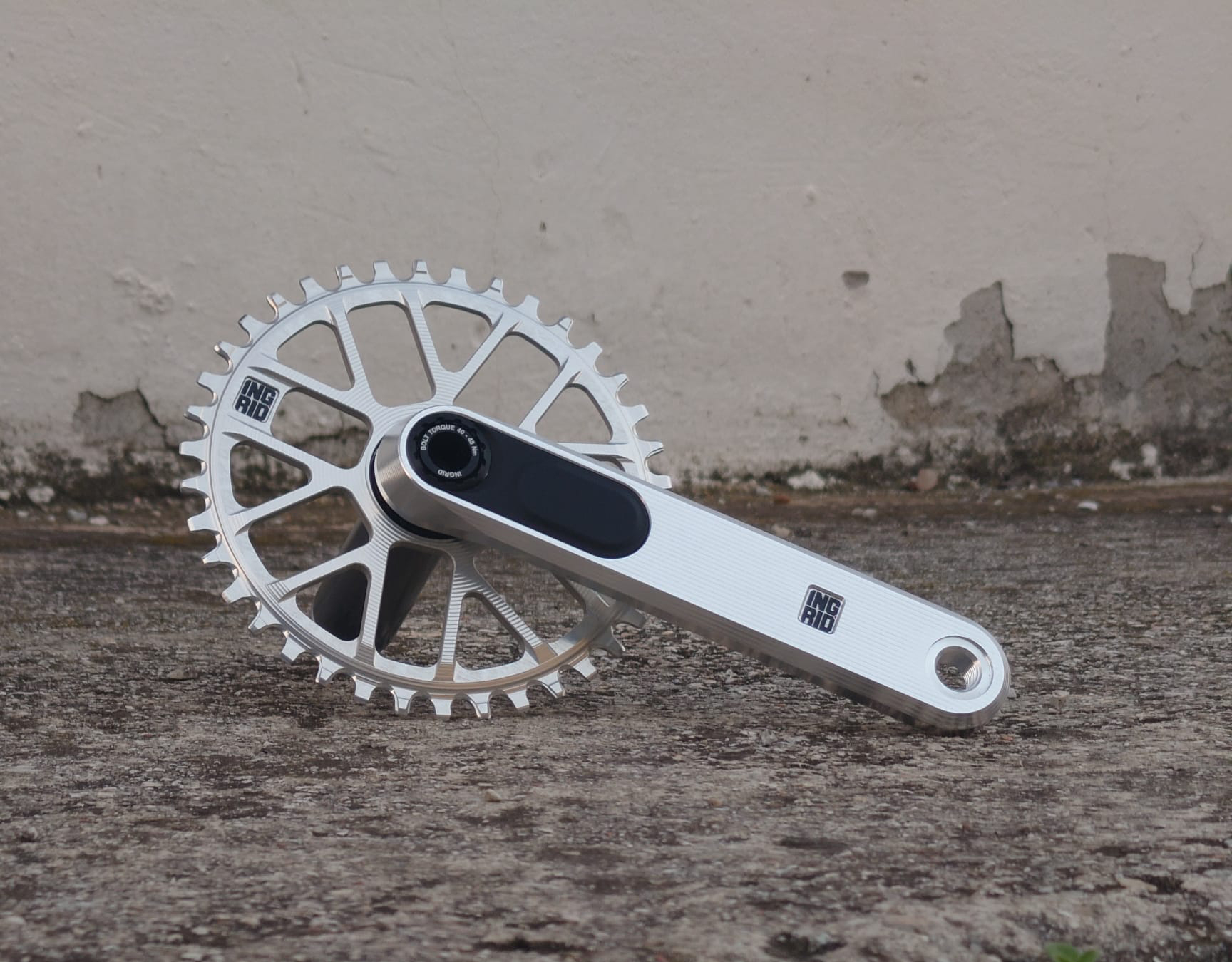
Ingrid CRS-Trip Crankset
Italy’s Ingrid Components has long been a favorite over here. John reviewed the brand’s RD1 last year and dubbed it “Gucci,” and these all-new CRS-Trip cranks (from 286,07€) continue the Italian manufacturer’s legacy of making damn fine bike components… CRS-Trip Q…
por John Watson
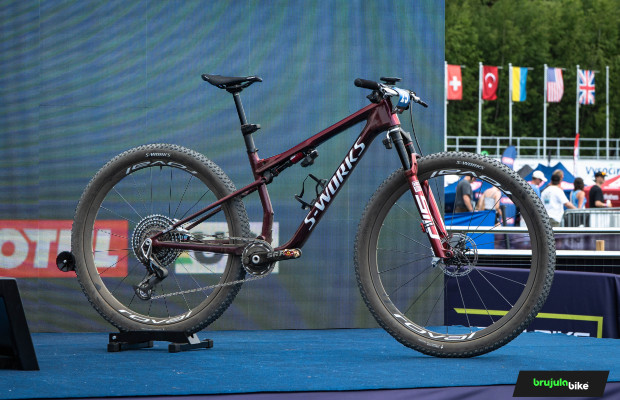
La S-Works Epic 9 volvió a ganar en Nove Mesto: al detalle la bici de Laura Stigger
La nueva Specialized Epic 9 ya ha ganado las dos primeras pruebas de la Copa del Mundo XCO 2026. Analizamos a fondo la bicicleta de Laura Stigger en Nové Mě
por Ignacio P.
Giro Eclipse Pro Spherical Helmet
Comfortable, light and reassuringly aero, but pricey
por nick lodge

Hyrox myths busted: Former GB distance runner lifts the lid on runners’ Hyrox assumptions
With runners helping to drive the huge growth in Hyrox popularity, we put the five biggest running-Hyrox crossover myths to the test.
por 220 Triathlon Team