Slowtwitch · 22 de mayo de 2026 · por Ryan Heisler
Four Overlooked Features of Carbon Shoes That Can Make or Break Your Experience
It should come to no surprise to you by now that I’m a big fan of carbon-plated running shoes. I held out for a long time, not putting my first... The post Four Overlooked Features of Carbon Shoes That Can Make or Break Your Experience first appeared on Slowtwitch News .
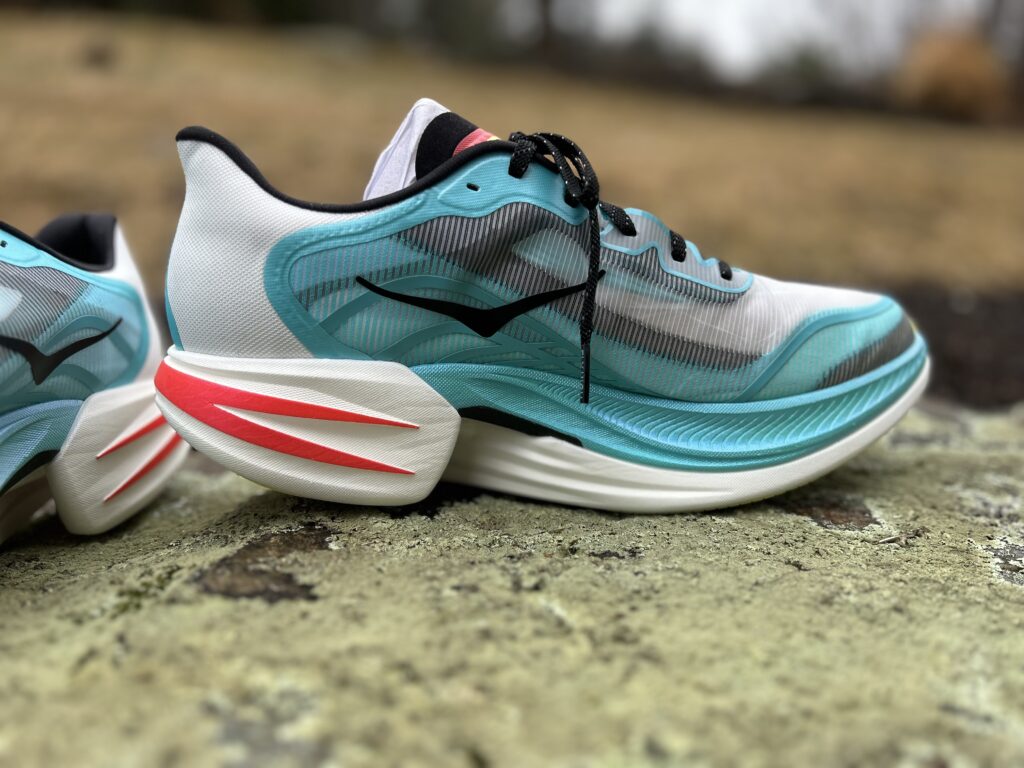
It should come to no surprise to you by now that I’m a big fan of carbon-plated running shoes. I held out for a long time, not putting my first pair of them on until early 2022, but since then it’s been all downhill from here. As part of my lead-in to IRONMAN Lake Placid a few years ago, I wrote up a comparison test of four of the then top options as I debated what shoe I would wear for the race. (A race that went catastrophically wrong for a whole lot of other reasons, but I digress.) In general: I respond really well to carbon plates, and most of the time I don’t experience any negative side effects unless I’ve already done something stupid to myself.
Yes, I am very aware how heavily the “unless” part of the prior sentence is carrying that outcome.
But when it comes to carbon shoes, there’s really not that much of a differentiation between them on paper. You find a proprietary hypercritical (or similar) foam, sandwiching a carbon fiber plate, and a lightweight upper to hold your foot to the platform. So choosing any of them should be the same, right? Wrong. Dead wrong. There’s far more nuance than that. And in some cases, it’s not nuance at all; it’s just an entirely different animal altogether.
Here are four overlooked components of some of these racers, that can help you better choose your next set of shoes.
Match Up Geometry With Your Preferred Running Style
There’s three elements of shoe geometry that, in my opinion, have the greatest impact on whether that shoe is going to work for you.
The first of these is offset. That difference between heel height and forefoot height, despite being all of a few millimeters, changes how a shoe runs significantly. In my experience, the “best” offset for an individual is typically driven by a combination of the shoe they wear on an everyday basis (outside of running), their typical run shoe, and then their preferred primary point of contact in their run stride. Example: I typically wear low to no offset shoes on a daily basis, along with run shoes that usually range from 3 to 6mm worth of offset. I typically respond most effectively to carbon racers that fall in a similar bucket. That said — it’s far easier for someone used to low offset to go up, rather than the other way around.
The second is looking at where the carbon plate actually sits in the shoe. Some plates start midfoot; some run the full length of the shoe. If you’re somebody who typically lands with a mid foot or forefoot strike, there’s little reason for you to look at a shoe that has a plate further back. If you’re more of a heel striker, you might benefit more from something that could make that transition happen faster. And maybe avoid something that is *ahem* this rounded back there.
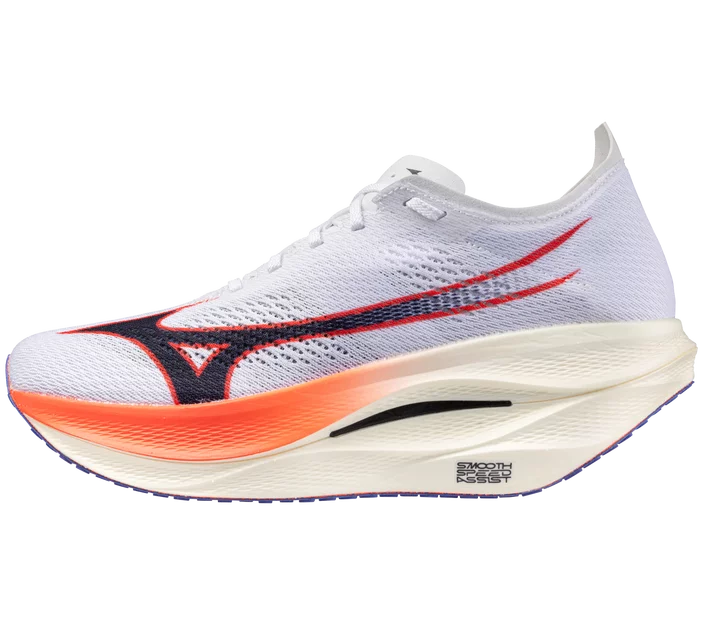
Lastly, you’ll want to check the width of the platform itself underfoot. As shoes grow taller in stack height, they generally need to be wider underfoot in order to maintain stability. Otherwise, you’re likely losing some of the efficiency gains. Nike, famously, is pretty narrow lasted, whereas HOKA is king of the widest platform underfoot, even in most of its racing shoes.
Uppers and Sockliners (and Socks)
In order for a shoe to rip your feet to shreds, there’s two issues: friction and moisture. With a shoe, there’s really only two places friction can come from: the upper or the sockliner / insole. For the most part, uppers have gotten to…
Continúa leyendo el artículo completo
Sigue la noticia en Slowtwitch
Por respeto al trabajo del medio y a los derechos de autor, mostramos solo un extracto. Lee la pieza completa en la fuente original.
Leer artículo completo en SlowtwitchBIKEND es un agregador. Todos los derechos pertenecen a Slowtwitch y a Ryan Heisler.